Wecome to Team Shrub!
We created this document to help new members of Team Shrub orient themselves in the lab, navigate grad school and share helpful nuggets of wisdom from past and current members of the lab. We hope these resources are helpful, but please reach out to your lab mates if you have questions or need any help!
Land and Territory Acknowledgement
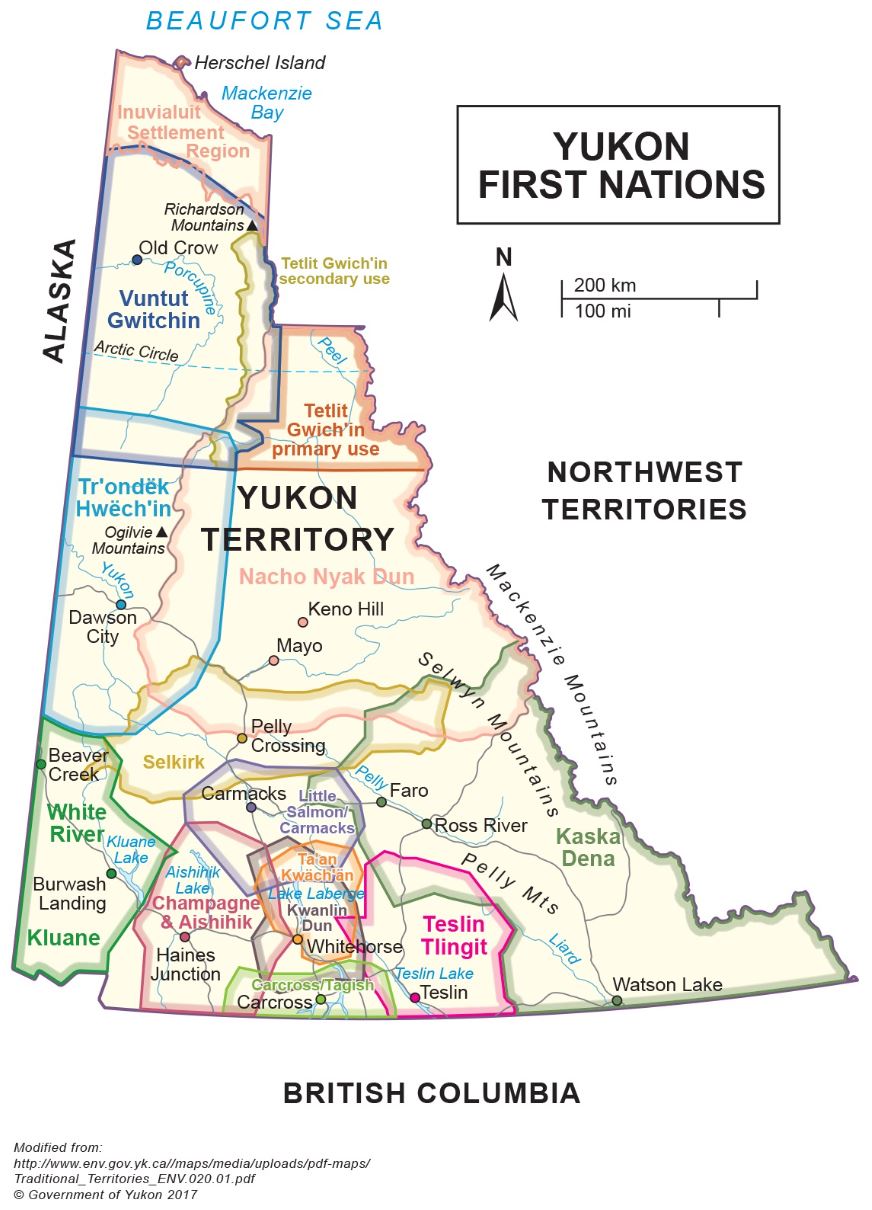
We are a group of interdisciplinary researchers working to understand how climate change alters plant communities and ecosystem processes in the North. Our work takes place at research sites across the Yukon, in the homelands of many Indigenous people who have stewarded these lands and waters since time immemorial, including:
- Kluane First Nation,
- Champagne and Aishihik First Nations,
- Carcross/Tagish First Nation,
- Kwanlin Dün First Nation,
- White River First Nation,
- Tr’ondëk Hwëch’in,
- The Inuvialuit
We recognize that research activities in the North have been, and continue to be extractive in ways that have harmed Indigenous communities. As a research group, we understand that Indigenous knowledge, leadership, and rights enrich research occurring in these places and we are committed to collaboration with community leadership across our research sites.
All members of the lab are expected to complete the following training to learn more:
We are also based at the Vancouver campus of the University of British Columbia, which is located on the traditional, ancestral, unceded territory of the xʷməθkʷəy̓əm (Musqueam) and many members of our team make their homes in Vancouver, which is the unceded territories of the Sḵwx̱wú7mesh (Squamish), Tsleil-Waututh, Só’lh Téméxw (Stó:lō), and xwməθkwəy̓ə m (Musqueam) Nations. We are grateful for the freedom to live and study on this land, and we recognize that this was not historically afforded to everyone.
As researchers and educators, we are committed to learning more about the history of this land, and standing in solidarity with Indigenous peoples in their ongoing efforts for sovereignty, justice, and the protection of lands and waters.
A message from Isla
Hi everyone,
It is exciting to have you joining Team Shrub! I look forward to working with you on your research.
Team Shrub is a group of researchers across career stages from undergrads through to postdocs and employees all working together to study the impacts of climate change. We are not a very hierarchical group and decisions are made collectively. Every team member is a key contributor to the work that we do. We’re called Team Shrub for a reason as our emphasis is on teamwork and collaboration! If you have any questions just reach out to your fellow Team Shrub members – we’re here to support each other!
As a grad student, undergrad or employee, I expect you to work independently and contribute to the team and to maintain your motivation throughout your time in our group. Being in academia is such a wonderful and unique opportunity, so it is good to pause and reflect how lucky and privileged we are to be able to work together on the scientific questions that interest us and to conduct the field work that we get to do and work so closely with our research partners. It is up to each of us to make the most of this opportunity!
Academia and grad studies can sometimes feel quite overwhelming. This Team Shrub guide has been drafted to help with some of that overwhelming feeling and to make sure you have easy access to key information and a place to go to when you have questions or are feeling a bit unclear on your next steps. The process of research and graduate studies is not always that linear, there can be bumps in the road or road blocks along the way, and it is normal to feel like you cannot see the tundra for the shrubs.
When you first arrive you might feel a bit overwhelmed by all of the things you need to figure out, all of the research ideas you need to develop and all of the steps you need to take to complete your project and succeed. You may feel a sense of imposter syndrome - that you don’t belong, that you don’t feel like you deserve to be here or that your skills sets and abilities are behind where they should be. I hope that within a few months, you will have made friends in the lab, that you have begun to find the support that we can offer and that you are building those skillsets. Soon you will realize that every member of our team had to start their journey from the same place and that we are all developing expertise in different areas with a lot that we still need to learn.
After about a year on Team Shrub, I hope you feel like you really belong and perhaps at this point you can help to mentor other students who are new to the lab. Once you have been in the lab for a couple of years, I hope that you will start taking on a leadership role to share your skills with newer members of the team and to provide the support that you received when you first arrived.
The membership on Team Shrub is life-long, if you would like it to be. Many Team Shrub members are still very much in touch with me and with the team, years after they graduated from their degrees and/or finished their projects. I hope you wear your team shrub hats and t-shirts with pride and that during your time in this research group you build friendships, skillsets and perspectives that will shape the rest of your careers and lives.
Welcome to the lab! (shrub emoji)
Time in the office & time in the field
Isla expects graduate students to be working on research, teaching and lab activities 40 hours a week (this is a fulltime job!) You can take time off, and the work can be flexible, but let Isla/Pauline know if you are going to be away. You get 4 weeks holiday per year including Christmas & New Years.
When on campus you are expected to attend weekly lab meetings (in person as much as possible, or online) as well as participate in seminars, discussion groups and other academic group activities (see the BRC seminars and discussion groups for example, https://biodiversity.ubc.ca/events). You should also aim to lead at least one lab meeting per semester and plan on attending Team Shrub lab retreats (usually one or two per academic year).
You will also be expected to complete necessary field work training (first aid, firearms safety) and spend time in the field collecting your own data, as well as assisting others. Field work dates are determined in the early spring and you can expect to be on field work anytime between June-August. Let Isla and Pauline know if you will not be available during these months.